
Why this matters now
Artificial intelligence is evolving at a rapid pace, transforming how organizations across industries access and leverage data. However, in operational technology (OT) environments, this evolution must be carefully managed to maintain safety, reliability, and deterministic control.
Emerson’s AI and automation experts Claudio Fayad and Sean Saul explore this challenge in a recent article in Plant Engineering magazine.
“Operational technology’s need for uncompromising safety and availability create additional complexities for the use of AI.”
Ultimately, fit-for-purpose industrial AI solutions are the right path for any organization currently considering bringing AI software into their plant or enterprise.
Takeaway: AI in industrial environments must be implemented in a way that preserves safety, availability, and control integrity.
TL;DR
- Industrial AI must account for strict OT safety and availability requirements.
- Point AI solutions limit long-term scalability and value.
- AI orchestration connects plant and enterprise-level insights.
- Contextualized data is essential for effective AI applications.
- AI is increasingly embedded into existing systems rather than added on top.
Orchestration is critical
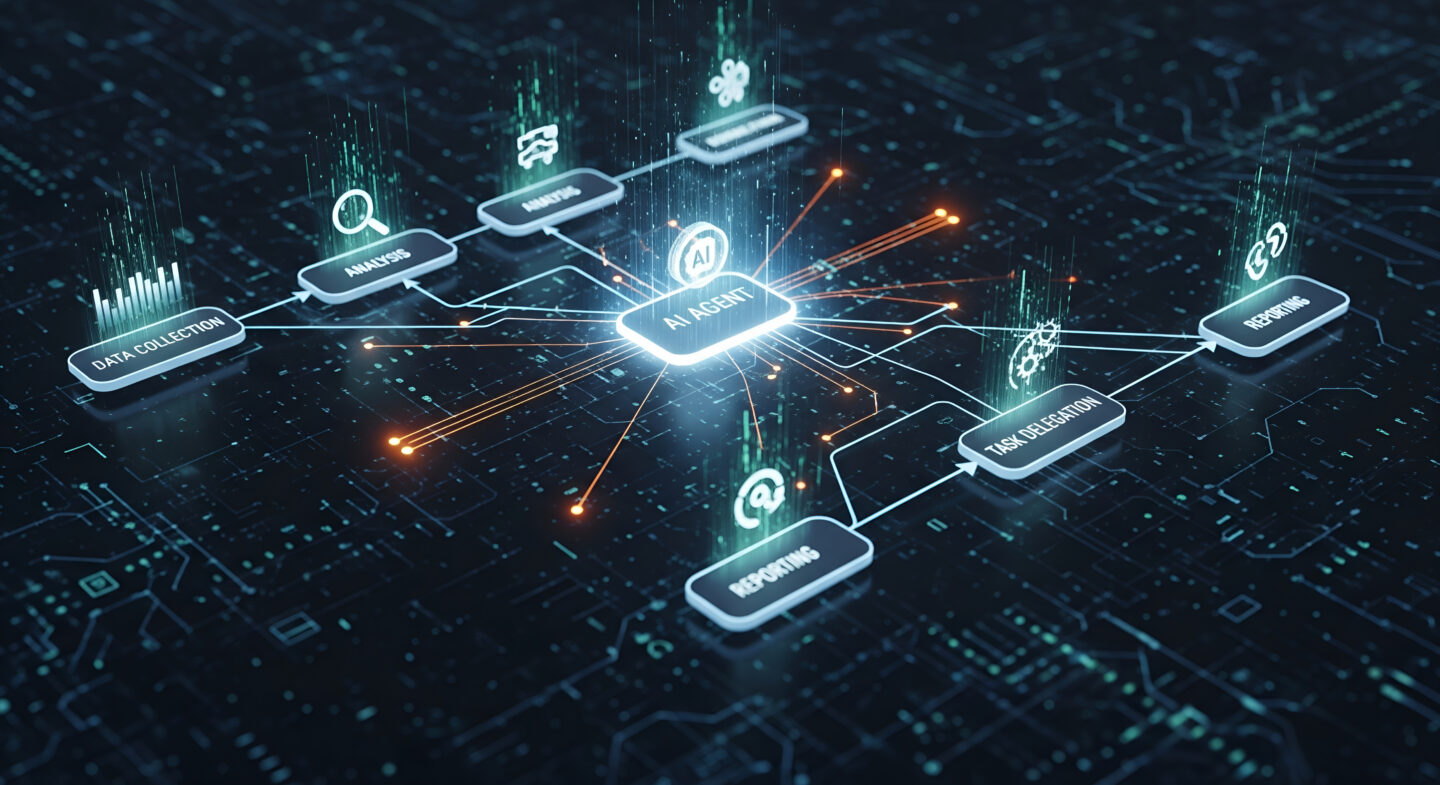
Delivering real value from AI in industrial environments requires orchestration—bringing together data, systems, and analytics into a unified ecosystem rather than relying on standalone solutions.
Consider the core goals of digital transformation: finding ways to build connections and integrate systems via one core, integrated solution. Today, we’re talking about the next level of that initiative, bringing these systems together into an enterprise operations platform, and at the heart of that goal is a drive toward feeding and connecting systems via AI solutions.
“Soon, organizations will rely on plant-level AI advisors as local orchestrators, bringing the plant information together and coordinating tasks and analysis, while enterprise-level AI advisors will coordinate with those plant-level advisors to provide end-to-end, holistic optimization.”
Takeaway: AI orchestration enables coordinated, system-wide optimization across plant and enterprise levels.
Building a foundation
A successful AI strategy depends on a strong data foundation, where information flows seamlessly from the intelligent field through the edge and into enterprise systems.
“There is incredible value in the highly trustworthy, highly sophisticated diagnostics and intelligence delivered by these devices. Moreover, as emerging technologies like Ethernet Advanced Physical Layer expand both the bandwidth and capabilities of these devices, the value they provide to AI solutions will only continue to increase, delivering more powerful, faster diagnostic insights into the underlying process dynamics.”
To support this, organizations need a unified data fabric that preserves context across all systems.
“It is critical that context—the associated relationships between different pieces of data—be inherently preserved in the system, rather than requiring manual effort to generate. Contextualized, relevant, real-time data is essential for industrial AI effectiveness.”
Takeaway: Contextualized data is the backbone of effective industrial AI.
The AI advisor
Modern AI advisor tools are already delivering value by helping users quickly access information and make more informed decisions.
“Not every AI application—perhaps not even most AI applications—will be something OT teams overlay on existing solutions and must train people to use. Instead, many of these applications are now being delivered as feature advancements in the software users already trust and will appear incrementally, making them easier to adopt and leverage to drive increased operational excellence.”
Takeaway: The most effective AI solutions are embedded into existing workflows, increasing adoption and usability.
AI is coming, and you might not even see it happen
AI is rapidly becoming a foundational capability in process manufacturing. As tools evolve, organizations that prepare their systems, data, and strategies today will be best positioned to capture the next wave of innovation and competitive advantage.
Takeaway: Organizations that prepare for AI orchestration today will lead the next era of process manufacturing.