
Why this matters now
Modern manufacturing organizations have invested heavily in sensing technologies and reliability software to improve visibility into plant operations. While these tools have delivered value, they have also introduced new challenges when deployed in isolation across the enterprise.
As Emerson experts Doug Cooper and David Kapolnek explain in their recent article in Processing magazine, fragmented systems often limit the effectiveness of modern analytics and AI.
“The answer could be to target true predictive and prescriptive maintenance practices, powered by first principles models, failure mode and effects analysis (FMEA), and artificial intelligence (AI) and machine learning (ML). By bringing these solutions together with a solid data foundation and tying them back to their enterprise asset management (EAM) or computerized maintenance management system (CMMS), organizations can create the most comprehensive reliability program possible.”
This highlights the need to unify reliability tools and data sources into a cohesive architecture, via a unified data fabric and enterprise operations platform (EOP), rather than maintaining siloed solutions.
Takeaway: Reliability programs reach full potential only when data, analytics, and systems are unified into a single ecosystem.
TL;DR
- Standalone reliability tools often create data silos.
- Data overload reduces effectiveness without context.
- Unified data fabrics enable scalable analytics and AI.
- Integrated ecosystems improve visibility and decision-making.
- Enterprise-wide reliability requires connected systems.
Data, data everywhere
Modern plants generate massive amounts of data, but without structure and context, that data can overwhelm users rather than support decision-making.
“Asset management, plant- and enterprise-level machinery health software, predictive maintenance software, and even AI and ML tools are increasingly designed as native components of the EOP, integrated directly with its data fabric.”
When these tools are integrated at the data level, they can access both real-time and historical information to generate meaningful insights without manual data reconciliation.
Takeaway: Integrated systems reduce data overload by making information accessible, contextual, and actionable.
The right foundation
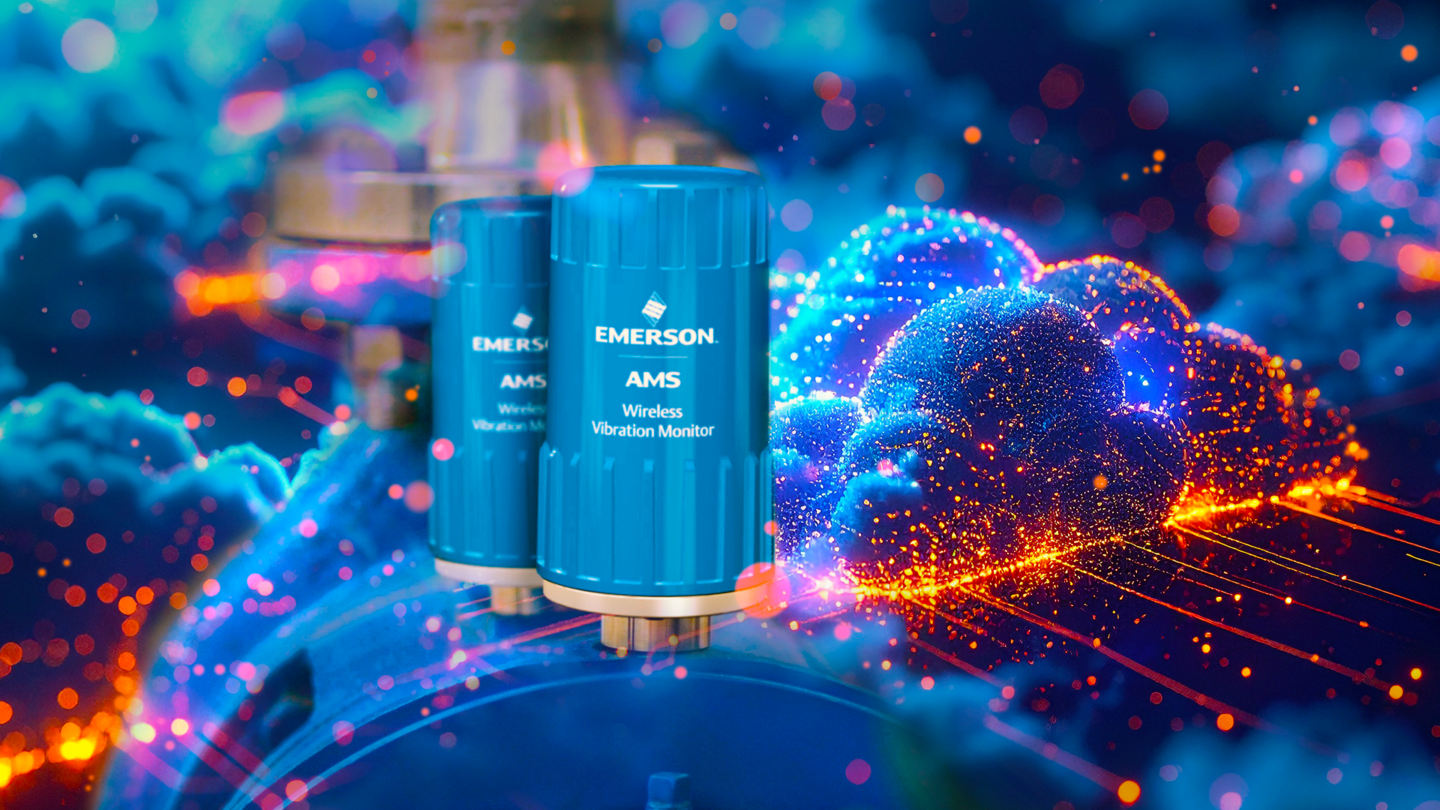
Building this capability requires a seamless data flow from intelligent devices such as AMS Wireless Vibration Monitors and AMS Asset Monitors, through analytics platforms like AMS Machine Works, and into enterprise-level tools like AMS Optics.
“The same benefits can be extended enterprise-wide when teams implement enterprise level asset management software. AI-powered predictive and prescriptive maintenance software can integrate with asset management software to consume data from multiple plants for enterprise optimization and oversight. Reliability managers can close the loop by tying the enterprise software to their CMMS/EAM system, driving execution of the prescriptive guidance and remediation work that was identified through their reliability ecosystem.”
This demonstrates how unified architectures allow insights to scale from individual assets to enterprise-wide optimization.
Takeaway: A connected data foundation enables reliability insights to scale from plant-level visibility to enterprise-wide optimization.
Putting the future in the hands of personnel
Reliability systems deliver the most value when they align with how users work, providing seamless access to insights without requiring navigation across disconnected systems.
Takeaway: Unified reliability ecosystems empower personnel with accessible insights that drive faster, more confident decisions.