
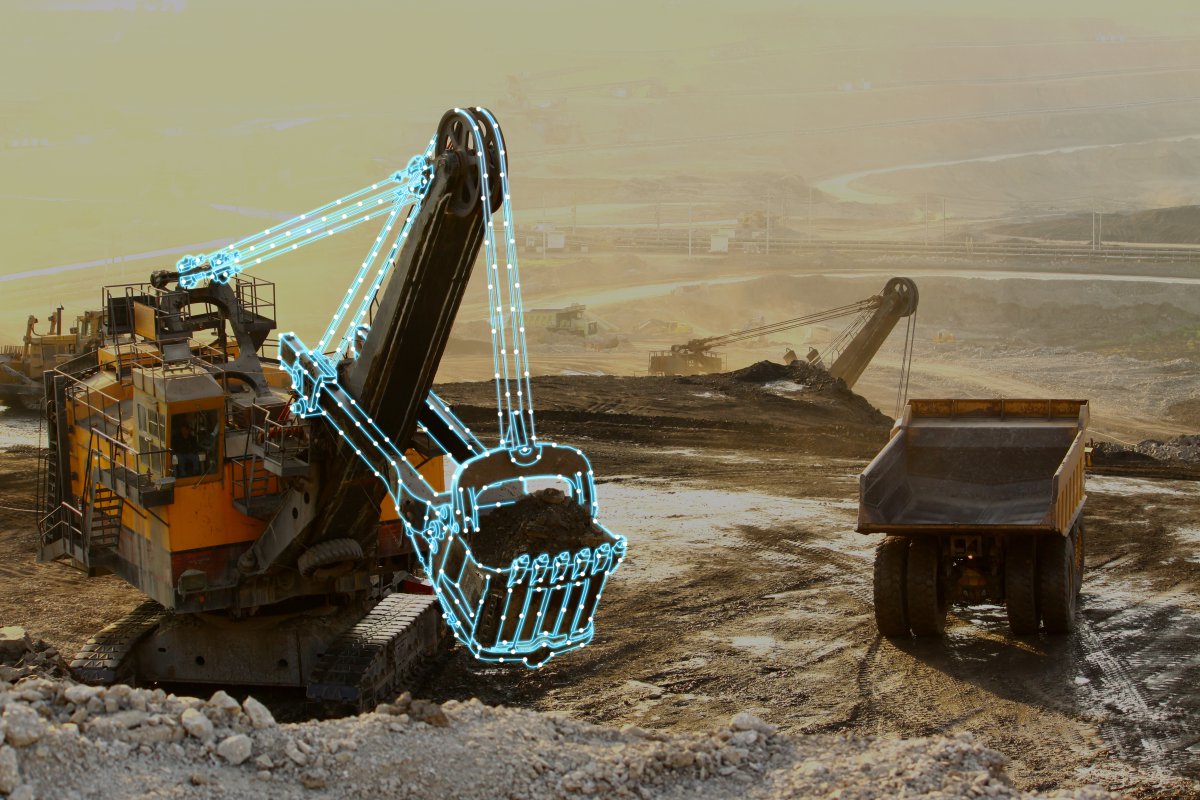
It is hard to imagine a more difficult environment in which to operate than a mine. Dirty environments, massive critical machines, and hazardous operating conditions all come together to create a wide array of opportunities for unanticipated shutdowns. That’s why mining operations have relied for decades on a deep bench of personnel with many years of expertise under their belts to keep equipment operating at peak performance regardless of operating conditions.
However, as Erik Lindhjem shared in a recent article in Global Mining Review, that trend is changing rapidly.
“In the last few years, experienced mining personnel have been retiring in droves, taking their decades of institutional knowledge with them. Unlike in decades past, experienced replacements have become difficult, if not impossible, to find—particularly for mines operating in remote locations. Gone are the days where a reliability team could count on having people onsite who could tell if a conveyor or shovel was malfunctioning based on the sound of its operation.”
This personnel shortage has put a lot of pressure on mining operations and has done so just as need for critical minerals has been ramping up around the globe. Yet there is a solution, Erik explains, and it is one that is readily available, easy to implement, and which delivers fast return on investment: continuous condition monitoring.
Increase success with sensing
Long conveyors, massive equipment that operates 24×7, and dangerous machines all make performing manual maintenance rounds in a mine a difficult proposition. Even for machines where it is realistic and safe to collect data manually, personnel shortages tend to make that data more intermittent than teams would like.
“Every minute that a worker spends traveling between data collection points is a minute they could be spending on a more high-value task. Moreover, when the technicians are less experienced, it often means multiple people must spend time performing rounds, making the loss of time even more significant. If a site or plant does not have enough people, or the staff responsible for maintenance rounds are sick or on vacation, data collection—and, by proxy, data analysis—is often delayed or missed.”
The solution is to implement wireless sensing devices like Emerson’s AMS Wireless Vibration Monitor and AMS Asset Monitor. Both solutions can be mounted right at the asset itself by a mine’s own personnel, and can wirelessly transmit data back to the reliability office on a set cadence. More importantly, however, personnel receive more than just raw data. Intelligent sensors translate raw vibration data into intuitive health scores visible on users’ mobile devices.
Armed with actionable information, technicians of any experience level can quickly identify which assets need intervention and quickly prioritize maintenance activities—activities that they have more time to complete since they are not spending as much time walking around the mine collecting data.
Software solves complex problems
Once a reliability team is bringing in a continuous stream of data, they can further streamline their operations with machinery health software like AMS Machine Works. Because few teams have a deep bench of expert analysts these days, many rely on powerful machinery health software to help further analyze reliability data and offer actionable information to help the team identify and solve the mine’s most common problems.
This capability can be further scaled up with AMS Optics enterprise asset performance software.
“One element of mining that distinguishes it from other industries is the tendency to operate many different facilities spread out over a wide geographic area. These organizations often need visibility of reliability data at corporate headquarters to make strategic business decisions, but if every mining operation relies on manual data collection and analysis, it is unlikely the corporate office will be able to monitor and evaluate big picture operations effectively.”
AMS Optics not only helps improve visibility of all mine sites from any location, it also brings in the AI-driven analytics power of AspenTech Mtell® equipment reliability and performance software.
Looking to the future
A shifting workforce has made mining operations more complex. Fortunately, modern reliability software and digital technologies are more powerful than ever and make it easy for teams to close the experience gap. An investment in new technology today can be the first step towards capturing competitive advantage and new market share in the years to come.